In high-pressure piping systems, a misaligned flange isn’t just an inconvenience—it’s a catalyst for leaks, vibration-induced fatigue, catastrophic gasket failure, and safety incidents. Yet, many teams still rely on “eyeballing” or basic straightedges for alignment. This blog explores why specialized flange alignment tools are non-negotiable, the types available, and how to use them correctly to ensure integrity, safety, and compliance with standards like ASME PCC-1.
Why Specialized Flange Alignment Tools Are Critical
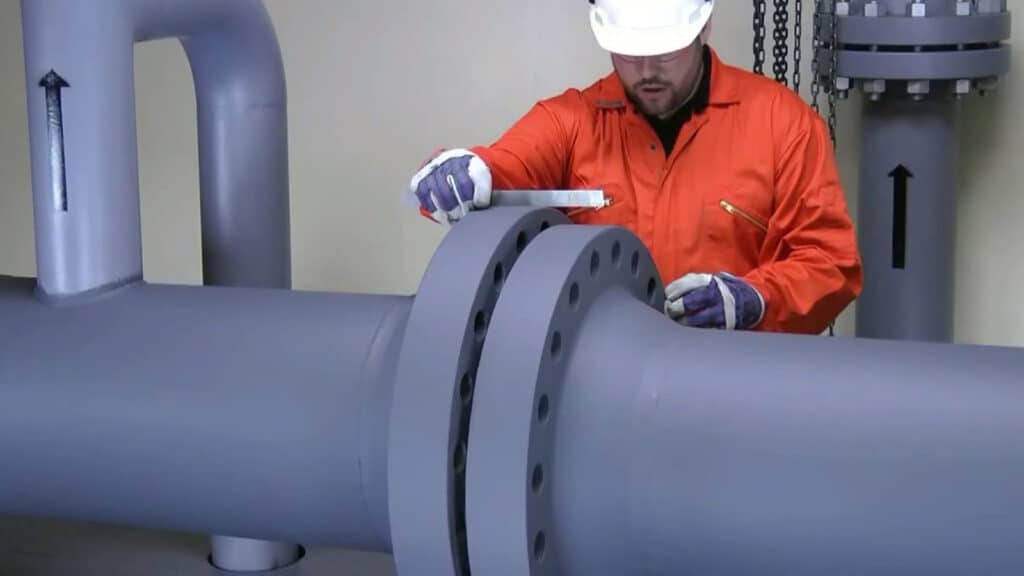
Human vision cannot detect misalignments under 0.5mm—yet industry tolerances often demand precision within this range. Without dedicated tools:
- Gaskets fail prematurely due to uneven compression.
- Bolt stress escalates by up to 300%, accelerating fatigue.
- Leak risks surge, especially in toxic/flammable service.
Tools eliminate guesswork, ensuring flanges mate perfectly before bolt tightening begins.
Types of Flange Alignment Tools
1. Mechanical Pin-Style Tools
- Design: Steel alignment pins/clamps + dial indicators.
- Best for: Small-to-medium flanges (≤24″), non-critical services.
- Pros: Rugged, low-cost, no power required.
- Cons: Manual calculations needed; limited precision (±0.1mm).
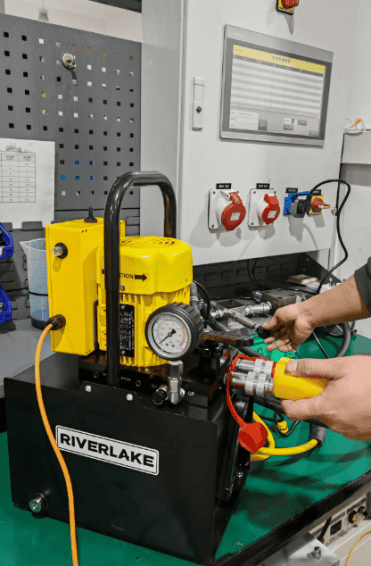
2. Hydraulic/Pneumatic Systems
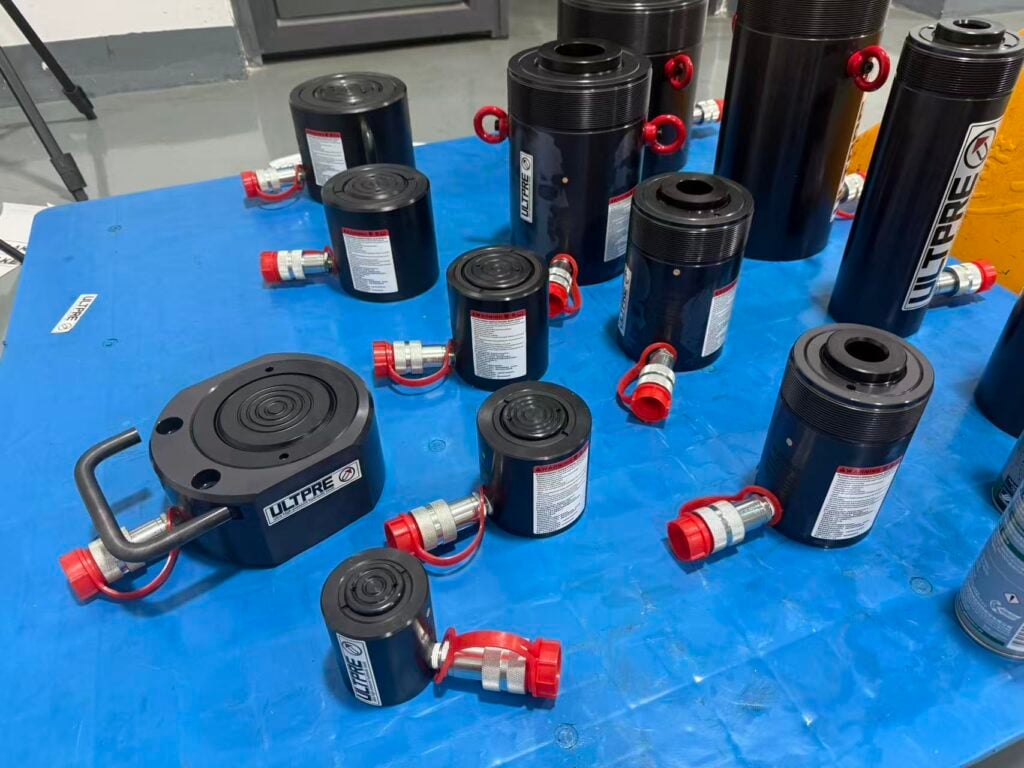
- Design: Hydraulic rams with force gauges + reaction arms.
- Best for: Large/heavy flanges (e.g., 48″ Class 1500+).
- Pros: Generates >100 tons of force; remote operation.
- Cons: Requires pump/compressor; overkill for small flanges.
3. Laser Alignment Systems
- Design: Laser emitters + receivers + digital display/software.
- Best for: Critical applications (offshore, nuclear, pharma).
- Pros: Micron-level accuracy (±0.01mm); real-time data logging.
- Cons: Higher cost; training required.
Example: Pruftechnik’s Optalign Smart exports reports for compliance audits.
4. Combination Kits
Hybrid systems (e.g., FlangeAlign) merge mechanical pins with digital sensors—balancing accuracy and affordability.
How to Use a Flange Alignment Tool: Step-by-Step
(Adapt based on tool type; this covers a standard pin-style system)
Phase 1: Safety & Preparation
- Isolate and depressurize the line (follow LOTO procedures).
- Drain residual fluid and ventilate confined spaces.
- Clean flange faces rigorously—debris causes 40% of alignment errors.
- Install 2-4 temporary studs (or alignment pins) at 3/9 o’clock positions.
Phase 2: Tool Setup
- Mount alignment arms/clamps symmetrically onto studs.
- Attach dial indicators (radial and angular).
- Zero all gauges with flanges loosely held.
Phase 3: Measure Misalignment
- Radial Misalignment (Offset):
Rotate indicators around flange circumference. Record deviations at 12, 3, 6, and 9 o’clock. - Angular Misalignment (Gap):
Insert feeler gauges at 90° intervals. Max gap variance ≤0.2mm per ASME PCC-1.
Phase 4: Correct Misalignment
- Use hydraulic jacks or adjustment bolts to nudge flanges.
Pro Tip: Correct angular misalignment first. - Apply force gradually—avoid flange face damage.
- Monitor dial indicators continuously until values fall within tolerance.
Phase 5: Verification & Bolt-Up
- Re-check alignment after corrections.
- Follow cross-pattern bolt tightening (ASME PCC-1 sequence).
- Torque in 3 incremental passes (30%, 70%, 100%).
- Remove tools; perform final visual inspection.
Best Practices & Pro Tips
- Never final-tighten bolts before alignment—rework costs 10x more.
- For thermal lines, align at operating temperature or compensate for expansion.
- Combine laser measurement with hydraulic tools for heavy-flange precision.
- Train teams on all tool types—misuse voids warranties and compromises safety.
Common Mistakes to Avoid
❌ Skipping face cleaning: Even 0.05mm debris disrupts alignment.
❌ Ignoring angularity: Focusing only on radial offset causes uneven gasket crush.
❌ Over-torquing adjustment tools: Can crack flange faces.
❌ Neglecting calibration: Gauges drift—recalibrate quarterly.
Selecting the Right Tool
| Scenario | Recommended Tool |
|---|---|
| Small flanges, low budget | Mechanical pin-style |
| >24″ flanges, high force | Hydraulic system |
| API/ASME compliance tracing | Laser alignment |
| Mixed applications | Combination kit |
Top Brands: RIVERLAKE (hydraulic), Fluke (laser), Nord-Lock (mechanical).
Conclusion
Flange alignment isn’t a “nice-to-have”—it’s the bedrock of leak-free, safe, and efficient piping systems. Investing in the right tool reduces downtime by up to 30% and extends gasket life by 2–3x. Whether you choose mechanical pins or laser-guided systems, precision alignment pays for itself in safety, compliance, and operational continuity.